Hunare NewsContact Us
Categories
Grasping the Commencement of Criminal Cases: An Extensive Outline

For those new to the overall set of laws, the most common way of starting a lawbreaker case might seem perplexing. To explain this theme, we should inspect how policing criminal cases.
The cycle begins with cops making a capture report that subtleties significant data about the wrongdoing and the suspect. These reports are thusly submitted to legal advisors and examiners, who dissect current realities and conclude what charges ought to be brought against the litigant.
At times, judicial procedures move straightforwardly to a fundamental hearing, where an adjudicator surveys whether there is sufficient proof to warrant further activity. On the other hand, a stupendous jury might approve a criminal prosecution, which triggers resulting lawful advances.
KEY Components OF CRIMINAL Accusations AND Capture REPORTS
For instance, in the event that somebody is captured for unlawful speculation exercises, the capturing official readies a thorough report containing essential data to propel the case. This report is then conveyed to the investigator, alongside fundamental subtleties, for example, the wrongdoing's area, witness names, and the date and time it happened.
At this stage, there are three expected results: documenting a grumbling against the litigant, alluding the case to a fabulous jury, or excusing the case. The capture report effectively illuminates both the investigator and guard lawyers of the reason for the capture and recommends appropriate charges. Be that as it may, a ultimate choice on accuses rests of the investigator.
Grasping Fundamental HEARINGS
On the off chance that the investigator finds sufficient reason for a crime grumbling, the litigant is qualified for a starter hearing. Be that as it may, in the event that guard lawyers decide to introduce the case to an excellent jury, a starter hearing probably won't be needed.
THE Job OF Great JURIES
Most crime cases are introduced to a great jury, contained haphazardly chosen people who survey proof from the legal counselors. Their job is to decide whether the proof is adequate to help formal charges against the litigant.
Excellent JURY Versus PETIT JURY
For those muddled about the distinctions between these jury types, counseling neighborhood lawyers can give a careful clarification. Be that as it may, here's a concise outline: Petit hearers settle on a solitary case, while terrific members of the jury manage different cases and frequently serve for quite some time or longer. Moreover, petit members of the jury decide the litigant's culpability or honesty, though terrific hearers assess whether there is sufficient proof to push ahead with a preliminary.
Procedures, WITNESSES, AND CRIMINAL Protests
At the point when investigators present a case to a fabulous jury, they should reveal all relevant proof that could work with headway to the following stage. These procedures regularly happen without the guard lawyer present, albeit the safeguard can demand a record of the procedures.
On the off chance that the great jury picks not to push ahead, this doesn't naturally excuse the litigant. Contingent upon the locale, the examiner might move toward a similar terrific jury with more grounded proof or decide to document a criminal protest straightforwardly as opposed to going through the excellent jury process.
By understanding the inception of criminal cases, people can acquire a more clear viewpoint on the intricacies of the general set of laws included.
The cycle begins with cops making a capture report that subtleties significant data about the wrongdoing and the suspect. These reports are thusly submitted to legal advisors and examiners, who dissect current realities and conclude what charges ought to be brought against the litigant.
At times, judicial procedures move straightforwardly to a fundamental hearing, where an adjudicator surveys whether there is sufficient proof to warrant further activity. On the other hand, a stupendous jury might approve a criminal prosecution, which triggers resulting lawful advances.
KEY Components OF CRIMINAL Accusations AND Capture REPORTS
For instance, in the event that somebody is captured for unlawful speculation exercises, the capturing official readies a thorough report containing essential data to propel the case. This report is then conveyed to the investigator, alongside fundamental subtleties, for example, the wrongdoing's area, witness names, and the date and time it happened.
At this stage, there are three expected results: documenting a grumbling against the litigant, alluding the case to a fabulous jury, or excusing the case. The capture report effectively illuminates both the investigator and guard lawyers of the reason for the capture and recommends appropriate charges. Be that as it may, a ultimate choice on accuses rests of the investigator.
Grasping Fundamental HEARINGS
On the off chance that the investigator finds sufficient reason for a crime grumbling, the litigant is qualified for a starter hearing. Be that as it may, in the event that guard lawyers decide to introduce the case to an excellent jury, a starter hearing probably won't be needed.
THE Job OF Great JURIES
Most crime cases are introduced to a great jury, contained haphazardly chosen people who survey proof from the legal counselors. Their job is to decide whether the proof is adequate to help formal charges against the litigant.
Excellent JURY Versus PETIT JURY
For those muddled about the distinctions between these jury types, counseling neighborhood lawyers can give a careful clarification. Be that as it may, here's a concise outline: Petit hearers settle on a solitary case, while terrific members of the jury manage different cases and frequently serve for quite some time or longer. Moreover, petit members of the jury decide the litigant's culpability or honesty, though terrific hearers assess whether there is sufficient proof to push ahead with a preliminary.
Procedures, WITNESSES, AND CRIMINAL Protests
At the point when investigators present a case to a fabulous jury, they should reveal all relevant proof that could work with headway to the following stage. These procedures regularly happen without the guard lawyer present, albeit the safeguard can demand a record of the procedures.
On the off chance that the great jury picks not to push ahead, this doesn't naturally excuse the litigant. Contingent upon the locale, the examiner might move toward a similar terrific jury with more grounded proof or decide to document a criminal protest straightforwardly as opposed to going through the excellent jury process.
By understanding the inception of criminal cases, people can acquire a more clear viewpoint on the intricacies of the general set of laws included.
LATEST POSTS
- 1
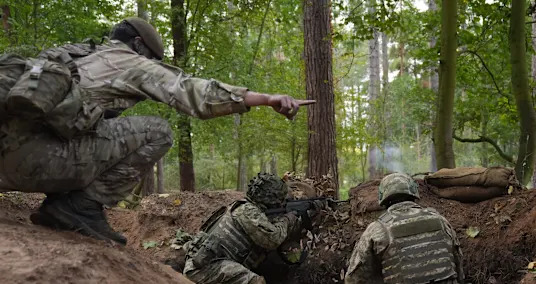
 Ukrainian troops showed 'greater tactical imagination' than Western trainers, British officer says, pointing to their ambush tactics
 - 2Land Rover Just Unveiled Its Dakar Rally Defender
- 3Brazil's agricultural research agency gets cannabis research greenlight
- 4‘RichTok’ Influencer Becca Bloom Shows Off Custom Invitations and ‘Most Valued Possession’ from Her Viral 2025 Wedding
- 5These Cities Led Global Jet-Setting In 2025, According To New Data


- Bitcoin momentum builds in Abu Dhabi as global interest surges
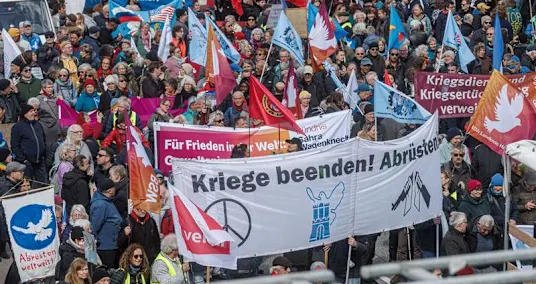
- German Easter peace marches draw tens of thousands
- The Eastern Bongo, Kenya’s Rare Forest Antelope on the Brink
- In the background: Visiting Notable Film Areas All over the Planet
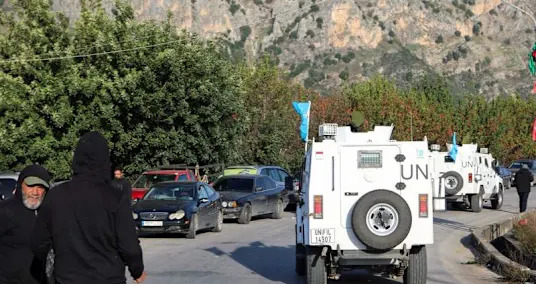
- Hezbollah rockets hit 165 UNIFIL positions in Lebanon while targeting Israel, IDF reveals
- Manhunt for Brown University shooter continues: FBI releases photos of suspect, announces $50K reward
- Governors Ball 2026: Lorde, A$AP Rocky and Stray Kids set to headline
- Was This Driver Simply Having Some good times Or Behaving Like An Ass?
- Los Angeles County sees significant uptick in norovirus cases, officials say