The Paris Agreement’s “stretch goal” of limiting warming to 1.5 C above preindustrial levels is no longer feasible, according to an analysis of 15 market outlooks compiled by think tank Resources for the Future.
Energy-related CO₂ surpassed 38,000 million metric tons in 2024, and most forecasts don’t expect a peak until sometime between 2030 and 2035, with reductions by 2050 varying significantly. The most aggressive projection — the International Energy Agency’s Net Zero scenario — demands emissions fall by 13.4% every year through 2050 (the steepest drop this century was 5%, during COVID-19 shutdowns). Renewables will keep reshaping the energy mix, rising from roughly 15% of primary energy in 2024 to more than 20% by 2050. But that won’t be enough to meaningfully cut emissions while fossil fuels enjoy strong markets across the Middle East, Asia, and Africa. Rising electricity demand is also compounding the issue. Global power generation roughly doubled between 2000 and 2024, and could climb another 59% — or more than double again under some scenarios — by 2050, driven by the AI boom, the electrification of transport, and the rapid spread of air conditioning. Renewables are expected to supply a chunk of that new demand, but those additional terawatts represent “an energy addition, not an energy transition,” the report’s authors wrote.

LATEST POSTS
- 1
 Alix Earle built trust by sharing her acne woes. Now her skin care line is raising questions.
 - 2Israel says Iran's military industry will be destroyed 'within days'
- 3These men carry towers of birds through Mexico's streets. They say their tradition is dying out.
- 4The Ascent of the Kona SUV: How Hyundai's Reduced Hybrid Is Vanquishing the Streets
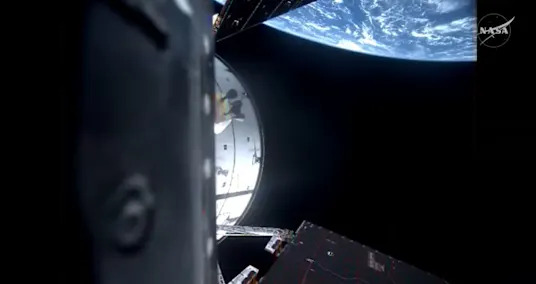
- 5There was a bit of toilet trouble on NASA's Artemis 2 mission to the moon




- The Secret Destinations Amex Says Will Be More Popular Than Bali by 2026
- From Loner to Force to be reckoned with: Individual Accounts of Change
- Windows to the Previous: An Excursion Through the World's Notable Engineering
- CDC changes kids' vaccine schedule, removing universal recommendation for some shots
- Russia’s New KVS Drone May Be Designed To Restore Reach In The FPV War
- 6 Monetary Arranging Administrations for Your Necessities
- Must-See Public Parks from Around the Globe
- Israel says 40 Hezbollah members killed as forces advance in Lebanon
- Activists guilty over Palestine protest breach